


An event conflating the 2025 annual conference of the Association of Judicial Trial Theories under the China Law Society and the second high-level forum on China’s applied jurisprudence was held at the Supreme People’s Court (SPC) on Oct 29.
The event focused on the theme of upholding strict and impartial justice to safeguard high-quality development and high-level security.
Zhang Jun, president of the SPC, attended the event and delivered a speech. Wang Zhenjiang, vice-president of the China Law Society, was also present.
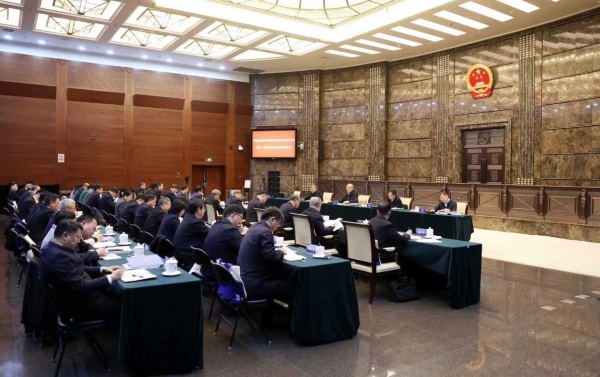
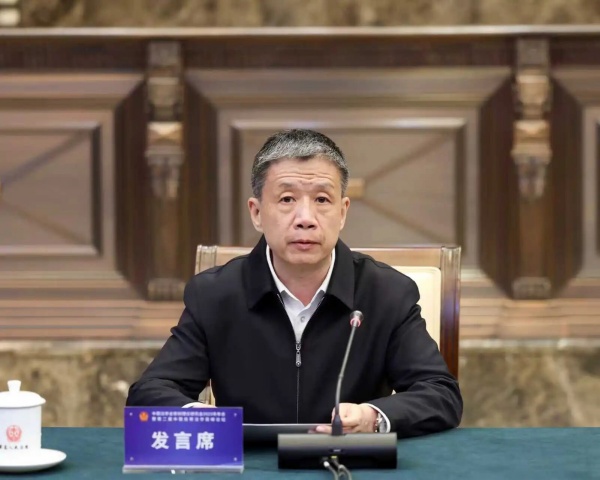
An event conflating the 2025 annual conference of the Association of Judicial Trial Theories under the China Law Society and the second high-level forum on China’s applied jurisprudence is held at the Supreme People’s Court (SPC) on Oct 29. Zhang Jun, secretary of the Leading Party Members Group and president of the SPC, attends the event and delivers a speech. [Photo/court.gov.cn]
The forum was presided over by Deng Xiuming, executive vice-president of the SPC. Mao Zhonghua, vice-president of the SPC, announced the results of the forum’s essay competition.
Scholars from universities and research institutes and presidents of several provincial-level High People’s Courts shared their insights on the forum’s theme.
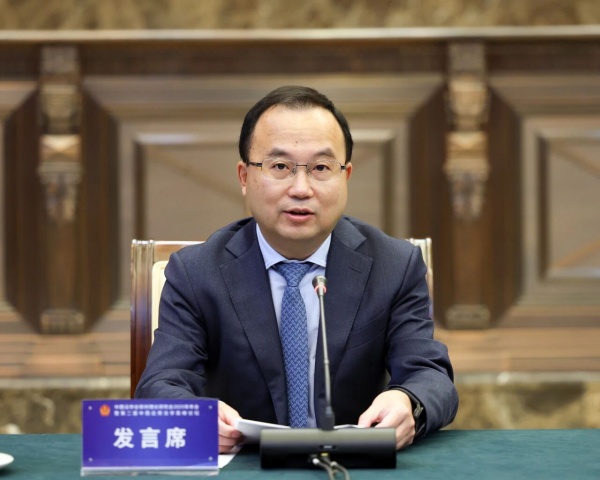
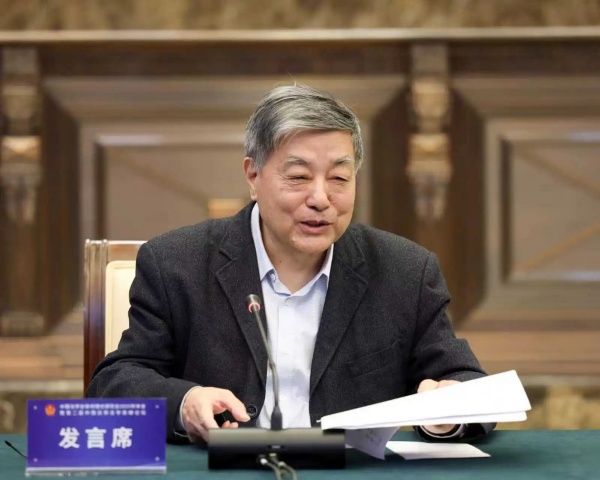
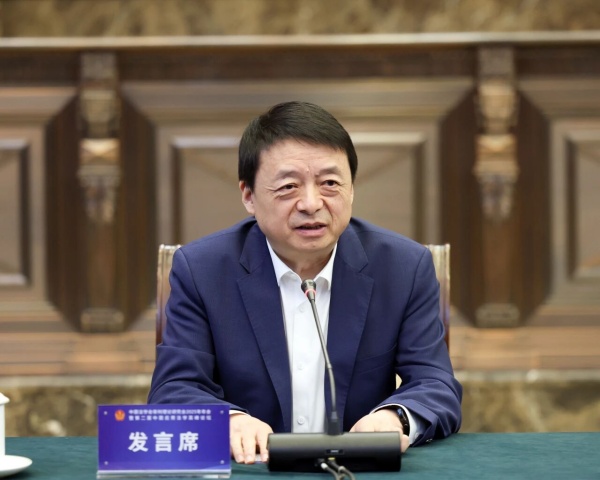
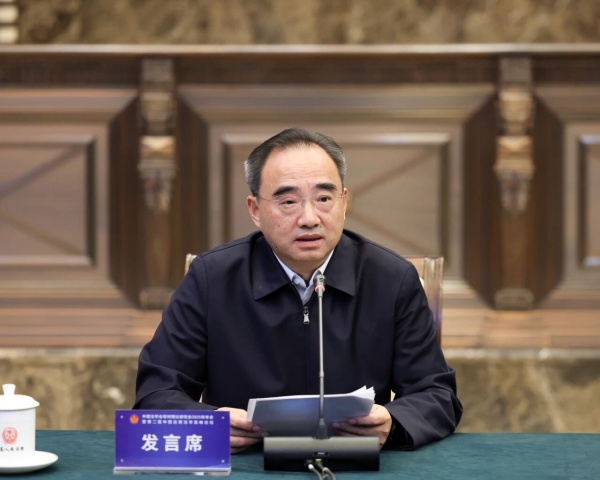
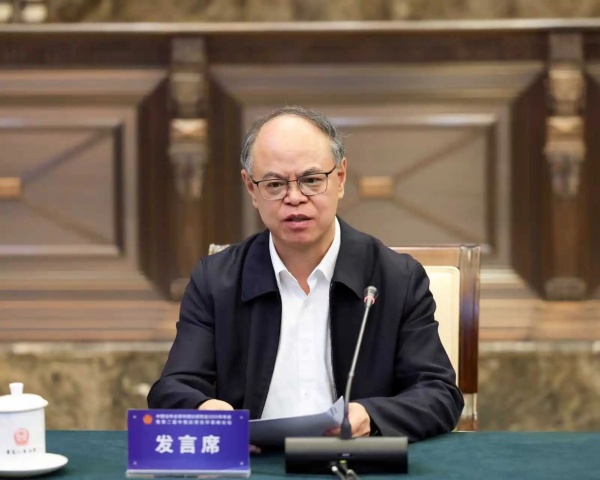
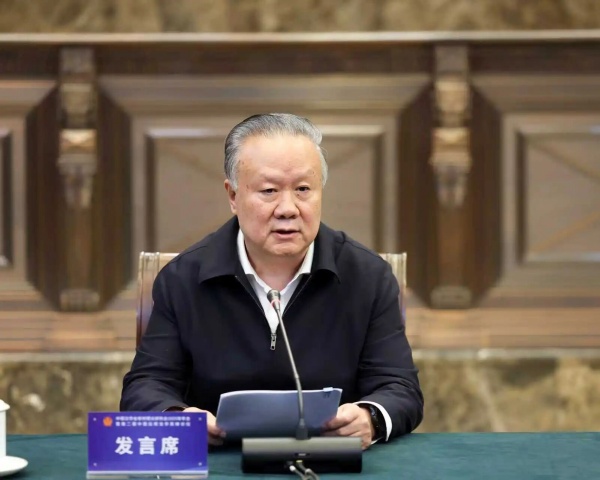
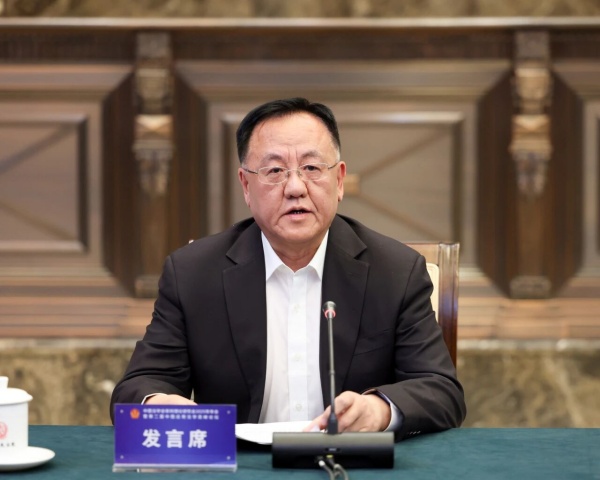
Lin Wei, president of Southwest University of Political Science and Law; Sun Xianzhong, senior research fellow at the Institute of Law of the Chinese Academy of Social Sciences; Ma Huaide, president of China University of Political Science and Law; Huang Jin, senior professor of humanities and social sciences at Wuhan University and president of the Chinese Society of International Law; Xia Daohu, president of the Jiangsu High People's Court; Li Zhanguo, president of the Zhejiang High People's Court; Kou Fang, president of the Beijing High People's Court; and Li Yongli, president of the Chongqing High People's Court, share their insights on the forum’s theme. [Photo/court.gov.cn]
Zhang stressed in his speech that courts need to integrate theoretical research with judicial practice to achieve new progress in studying and implementing the guiding principles of the fourth plenary session of the 20th Communist Party of China (CPC) Central Committee.
Referring to the Opinions of the CPC Central Committee on Strengthening Judicial Work in the New Era and the Recommendations of the CPC Central Committee for Formulating the 15th Five-Year Plan for Economic and Social Development, Zhang set out specific requirements for deepening judicial theory research and strengthening judicial support for the implementation of the 15th Five-Year Plan (2026-30).
He noted that in areas related to building a modernized industrial system, advancing greater self-reliance and strength in science and technology, building a robust domestic market, developing a high-standard socialist market economy, and promoting high-standard opening-up, judicial rules for some strategic emerging industries remain fragmented. He urged unified judicial standards to support the development of a unified national market, improved judicial protection for all market entities on an equal footing, and enhanced judicial protection for Chinese businesses’ overseas interests.
Zhang called for intensified research on “AI+ justice” to support the sound and orderly development of artificial intelligence and to enhance technological empowerment in judicial work. He also urged in-depth studies on judicial issues related to anti-monopoly and anti-unfair competition, and the effective connection between judgment enforcement and bankruptcy systems to stimulate market vitality. Study on diversified mechanisms for resolving international commercial and maritime disputes needs to be enhanced to improve maritime judicial capacity, according to Zhang.
As for the tasks on accelerating agricultural and rural modernization, refining regional economic layout, inspiring the cultural creativity of the entire nation, ensuring and improving public wellbeing, accelerating the green transition, and modernizing China’s national security system and capacity, Zhang highlighted that judicial theoretical research needs to keep pace with the public’s diverse and pressing judicial needs. He called for studies on judicial services supporting high-quality and sufficient employment, fostering joint efforts to protect workers’ rights, and improve judicial protection for vulnerable groups, including minors, women, and the elderly—particularly in areas such as guardianship, personal safety, and elderly care.
Zhang further highlighted the need for research on integrating judicial adjudication into social governance and promoting the standardized development of comprehensive governance centers, to better apply and promote the “Fengqiao Experience” in the new era and better leverage institutional strengths.
With regard to advancing socialist democracy and rule of law, Zhang stressed that theoretical research should serve as a leading force for enhancing judicial capacity and promoting high-quality development of adjudication. He called for deeper exploration of how to incorporate the practice of whole-process people’s democracy into judicial work, broaden public participation, and ensure strict and impartial justice, in order to achieve synergy among political, legal, and social outcomes.
He also urged strengthening research on mechanisms for realizing and assessing judicial fairness, ensuring that fairness and justice become more tangible and accessible, and that the principle of “allowing the people to feel fairness and justice in every court case” is effectively implemented.
“Theory guides practice, and thought guides action,” Zhang said, underscoring that applied jurisprudence must combine strategic foresight with problem-oriented approaches, and uphold the Marxist tradition of integrating theory with practice. He called for stronger pragmatic cooperation between courts and universities as well as research institutions to promote coordinated development of theoretical research and judicial practice, contributing more wisdom to advancing adjudication work in the new era.
Experts, scholars, and representatives from central and local judicial organs participated in the discussion both online and offline.

